Sensor Agnostic
Aggregate multi-modal sensor ecosystems onto one platform.


Built for disconnected, distributed and mission-critical environments
Aggregate multi-modal sensor ecosystems onto one platform.
Align data streams across multiple devices and modalities.
See activity metrics and get feedback on data quality in real time.
Monitor, manage and support deployments from anywhere.
Enabling organisations to reassemble components into custom workflows and create flexible capabilities that can evolve without repeatedly rebuilding the underlying platform.
Common infrastructure to integrate sensors, algorithms and workflows into a single platform.
Flexible workflows that combine sensors, algorithms and operational context into repeatable capabilities.
Modular plugin architecture that simplifies addition of new devices, algorithms and capabilities.
Flexible deployment options that provide operational control via local and remote access.
Nexus provides the freedom, structure and flexibility needed to transform collections of sensors, analytics and technologies into coordinated capabilities that can be standardised, scaled and managed over time. Create consistency without constraining innovation.
Combine sensors, analytics and activity-based context into configurable workflows that support research, monitoring and operational objectives. Capture synchronised, tagged datasets, reduce manual processing and create consistent protocols that can be adapted as requirements evolve.
Establish common frameworks that support organisational and ecosystem alignment on sensor types, data models, sensor placement and operational protocols, while providing the flexibility to adapt those standards as needed. Improve comparability across studies, facilities and environments without constraining research and innovation.
Expand systems iteratively, plugging in new sensing and analytical capabilities without redesigning existing technology stacks or workflows. Develop devices, algorithms and models on infrastructure that can support progression from pilot to operational deployment, avoiding heavy resource and development costs.
Maintain visibility and control as capabilities evolve from individual research systems to distributed or multisite deployments across complex and remote environments.
Monitor system health, roll out updates and deploy new applications remotely while enabling reliable local operation in disconnected or communication-constrained settings.
Nexus places sensing, computation and workflow execution where the data is generated, reducing dependence on continuous connectivity and centralised infrastructure. Sensors, algorithms and applications are connected through a common runtime that enables local operation, real-time execution and scalable deployment across research, operational and mission-critical environments.
Nexus combines edge-first design, local autonomy and a modular architecture to deliver capabilities that support reliable operation across research, operational and remote environments.
Integrate multiple sensor types and connected devices through a common interface.
Align data streams across devices and modalities to create synchronised datasets.
Execute workflows, analytics and quality assurance processes at the point of data collection.
Process data locally and only transmit required metrics to reduce bandwidth demands.
Monitor system health, deploy updates and support deployments from anywhere.
Maintain independent local operation while enabling remote visibility and oversight.
Execute workflows consistently and predictably across deployments and environments.
Retain data locally during operation, synchronising when connectivity becomes available.
Nexus deployments can be configured from a range of interoperable hardware and software components, enabling systems to scale from standalone research platforms to distributed operational architectures. Combine gateway, edge, worker and compute nodes to meet sensing, processing and operational requirements while maintaining a common platform and deployment model.
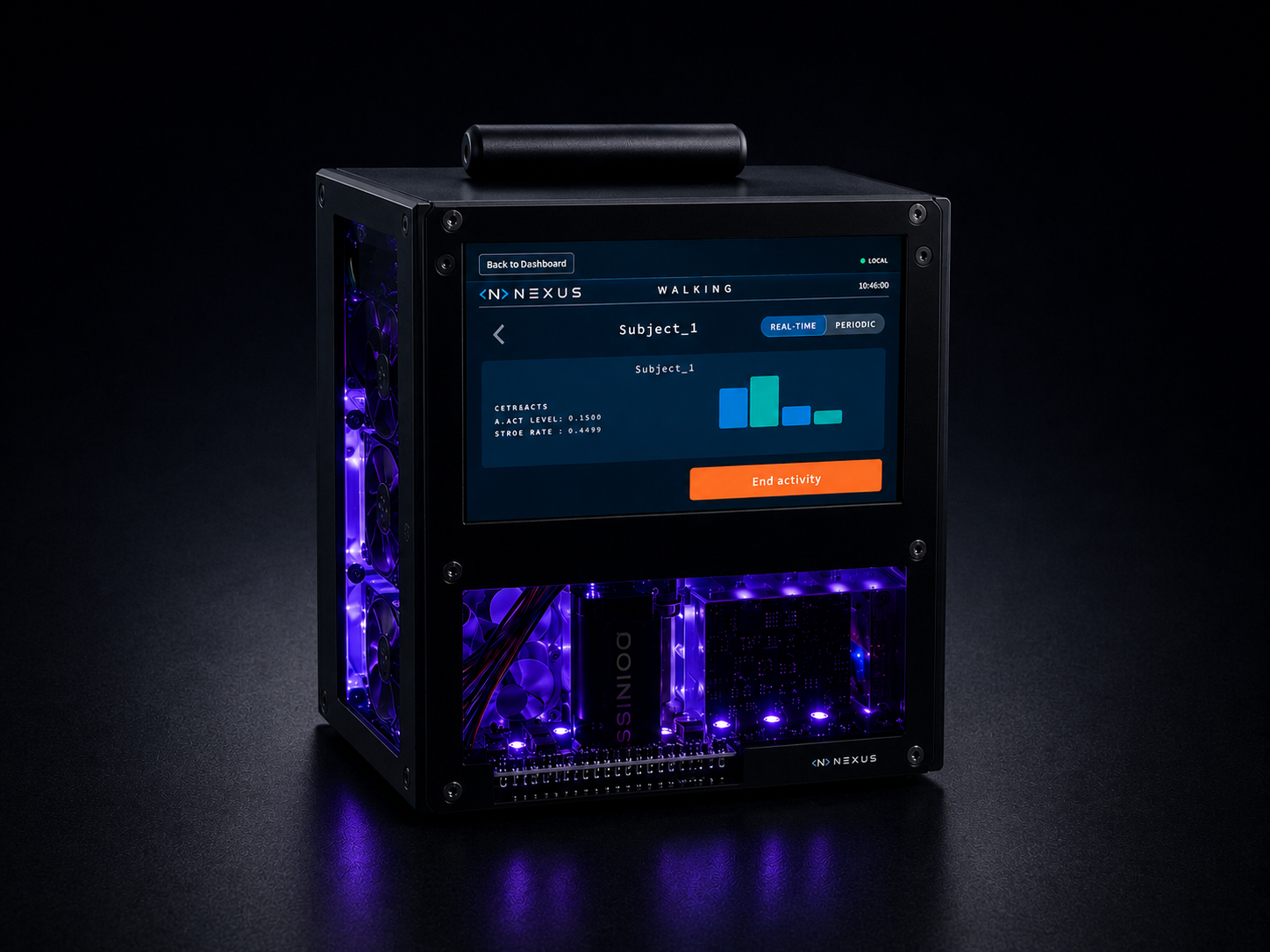
Operates as a standalone platform or acts as the primary orchestration node, managing sensors, workflows and distributed deployments.
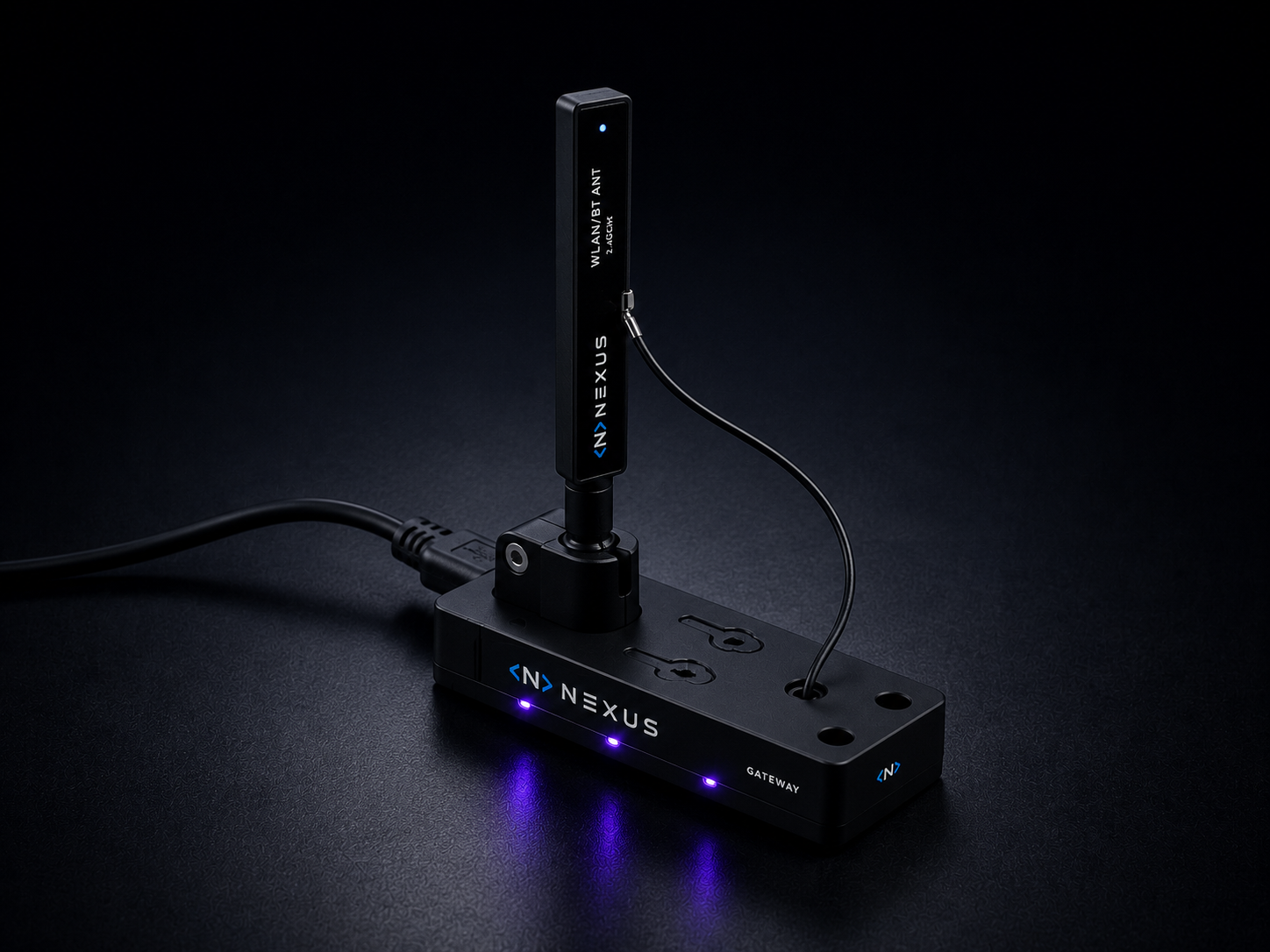
Provides a reliable BLE communications layer for high-throughput sensor integration and data collection.
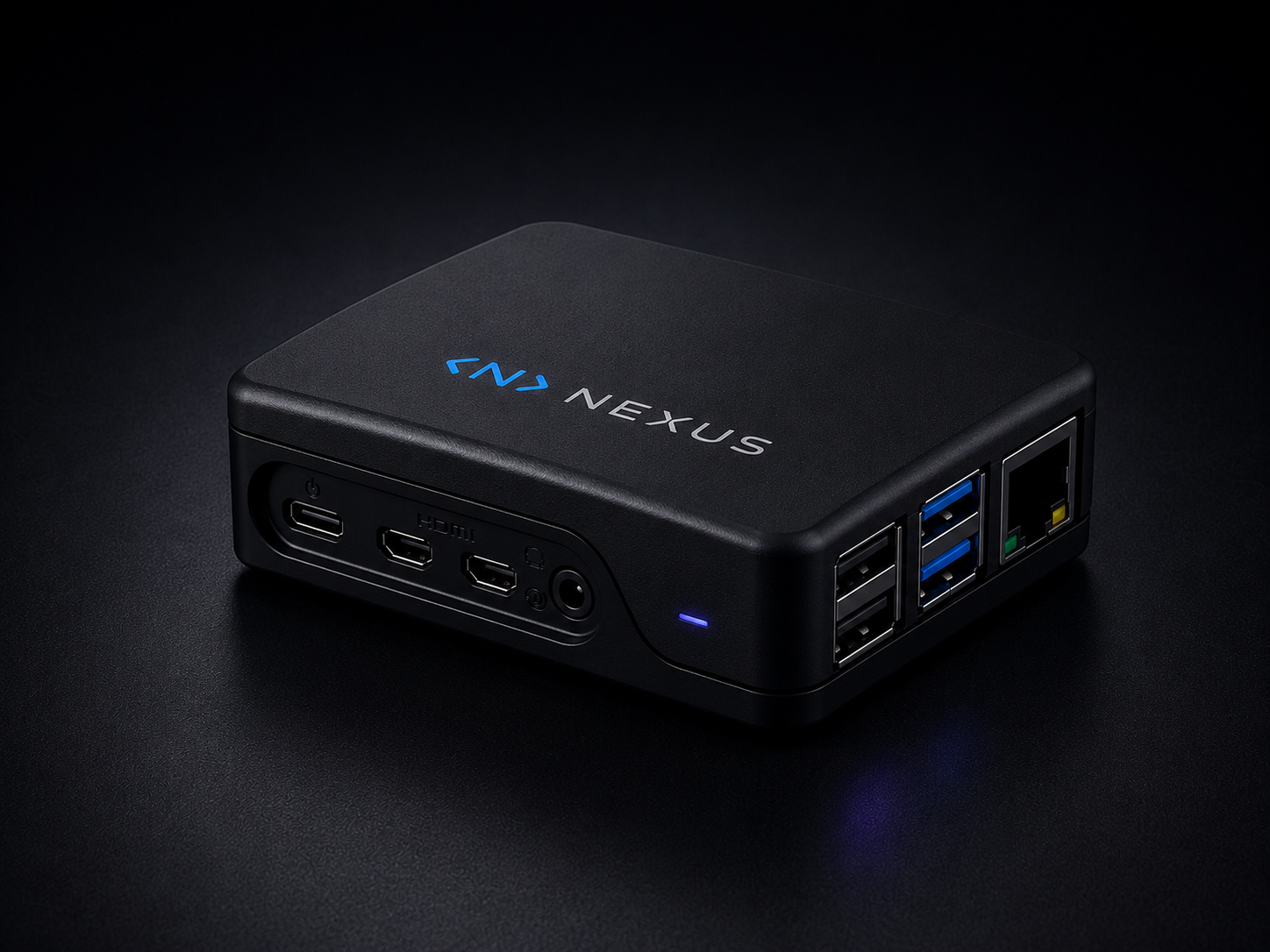
Extend connection, compute and storage capabilities. Deployable as fixed infrastructure or wearable body nodes.
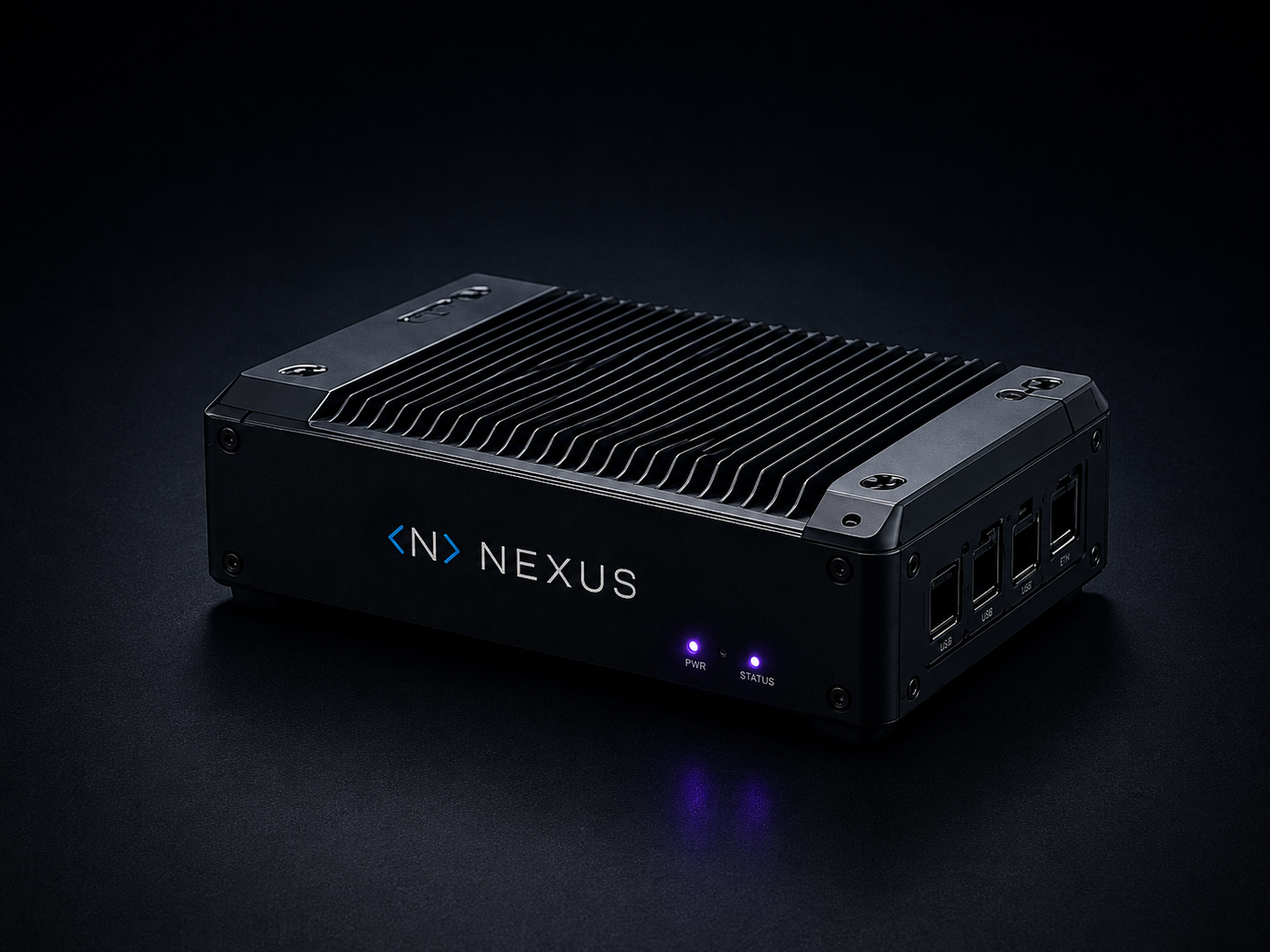
Provide additional processing capacity for computationally intensive analytics, algorithms and AI workloads.
Designed for organisations that need sensor-driven systems to work in constrained, remote or operationally sensitive environments.
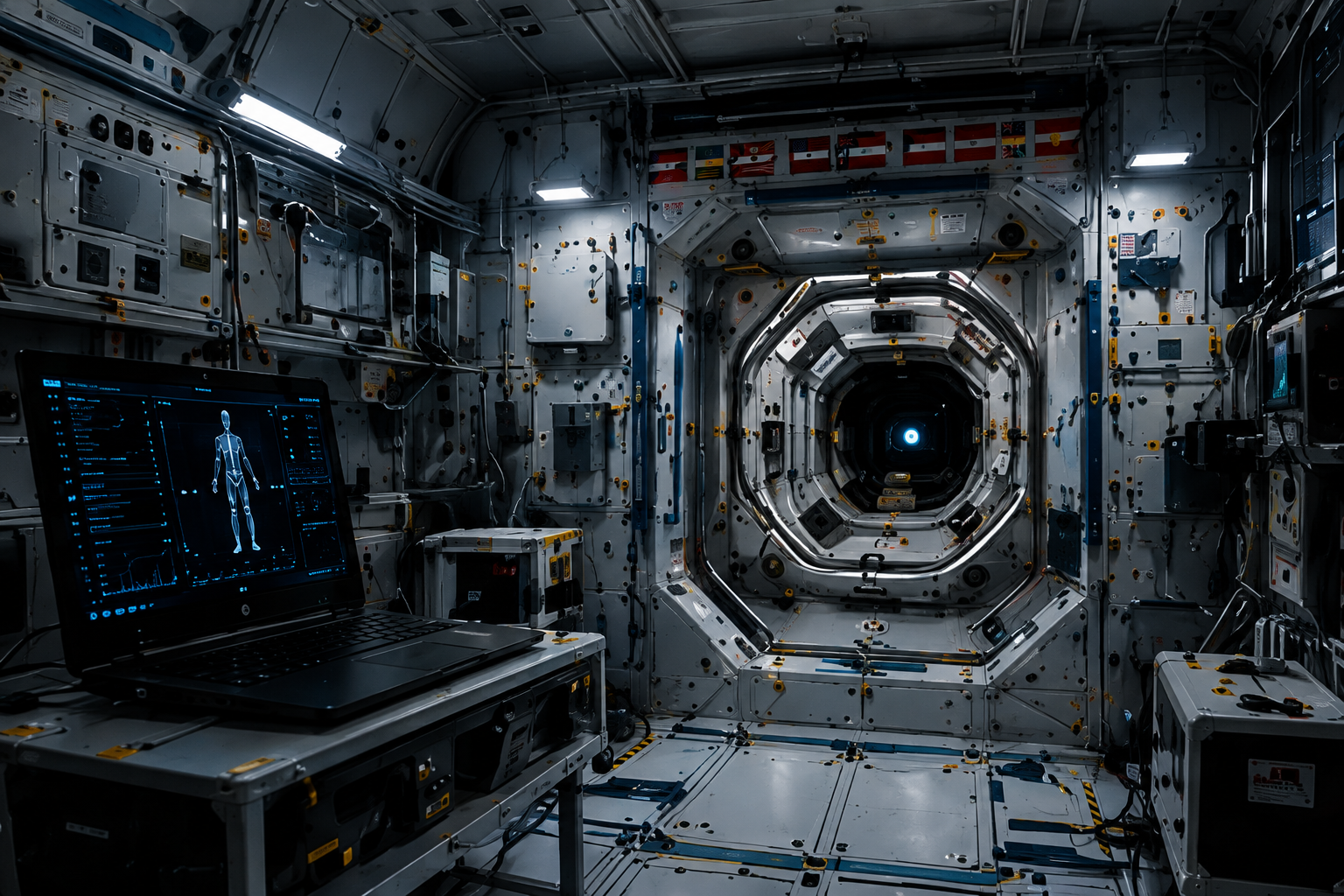
Support human health monitoring, operational research and future exploration concepts across analogue, testing and mission environments.

Deploy integrated sensing, monitoring and operational workflows in remote, isolated and operationally constrained environments.
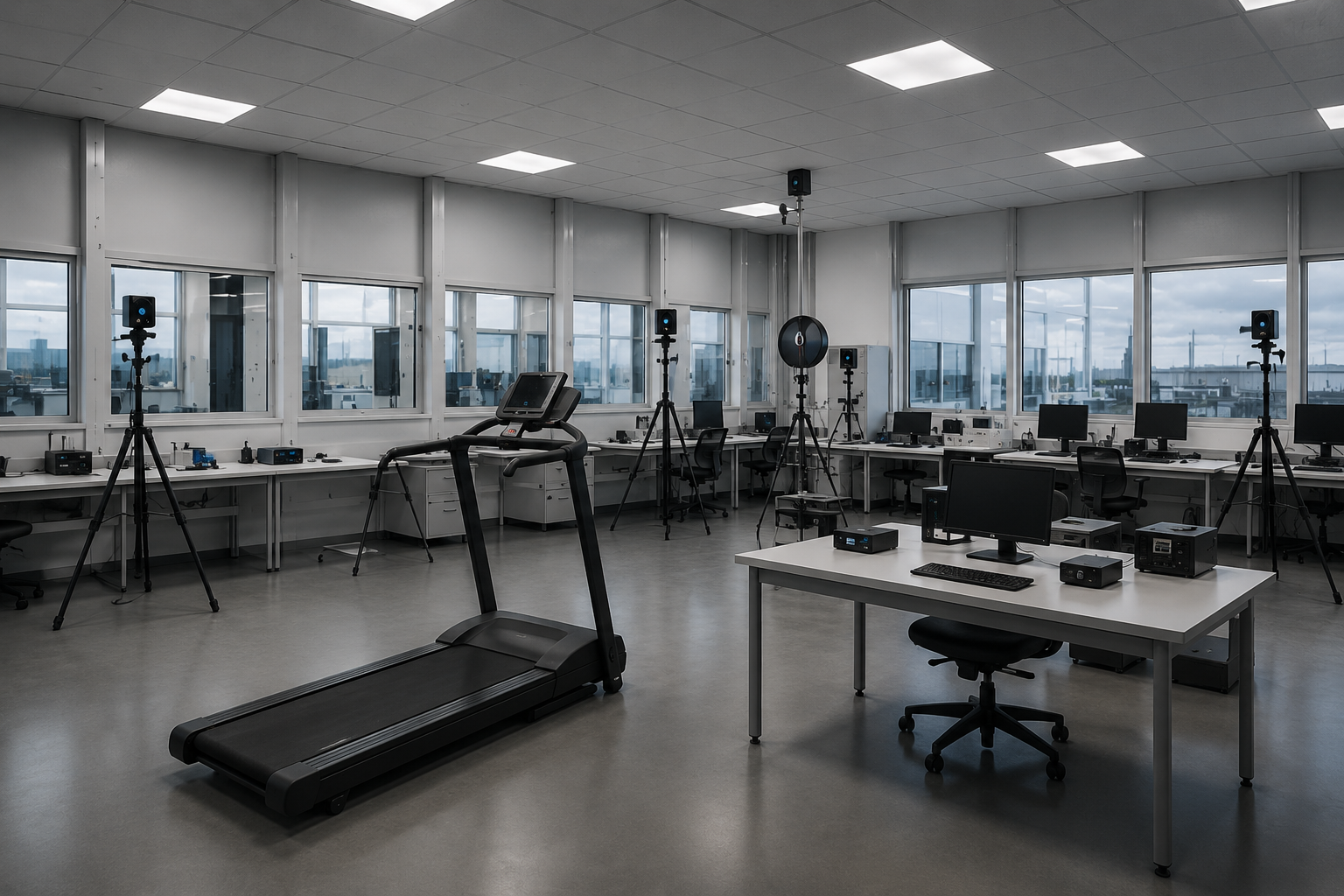
Accelerate development, validation and deployment of multimodal sensing technologies and analytical capabilities for healthcare, sports and space physiology research.
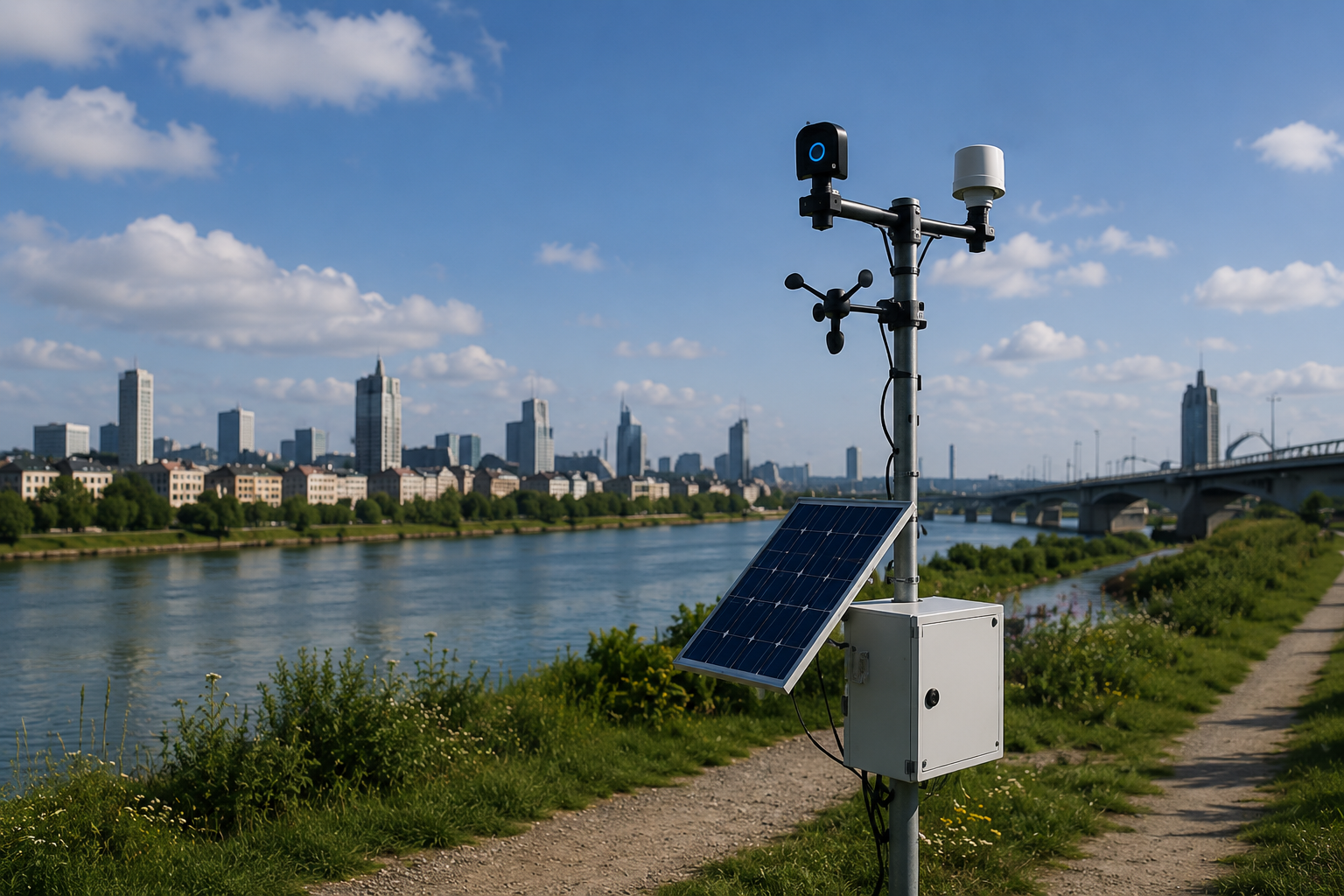
Coordinate sensing, computation and operational activities across geographically distributed locations and environments.
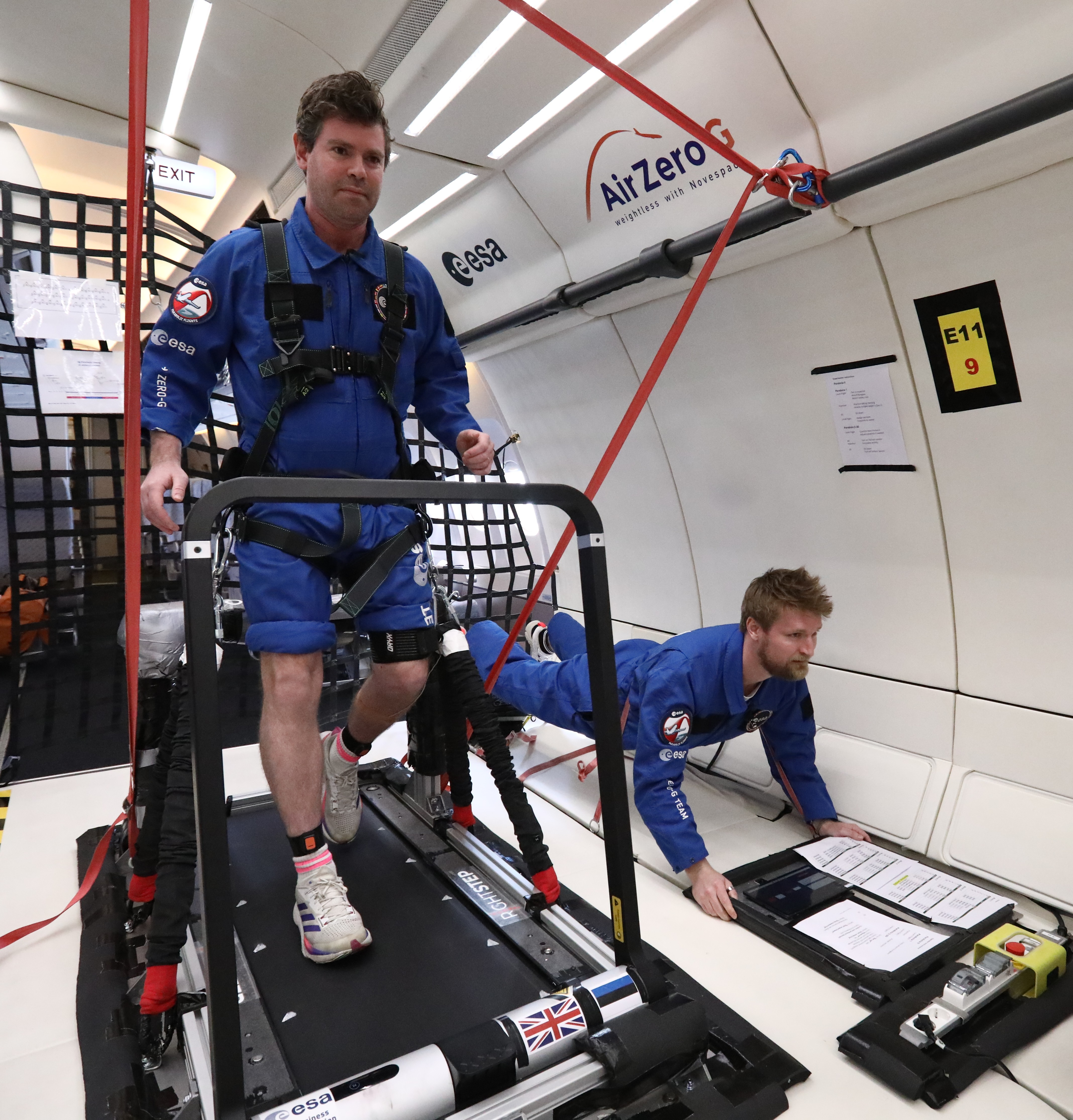
Nexus was founded by a team of software engineers and product strategists with decades of experience delivering sensor-driven technologies and complex IT systems.
It originated as a sensor-based solution to address degenerative bone health, but through engagement with stakeholders across healthcare and space, we repeatedly encountered the same challenges: integrating sensors, managing data and deploying technologies across different environments.
Recognising these challenges extended beyond a single application, Nexus evolved into a broader infrastructure platform, providing the foundations needed to capture data, orchestrate sensors and operationalise sensor-driven systems.

Get in touch to discuss applications in space operations, analogue missions, research environments or sensor-driven systems.